The question “How many fishing rods should each person have” comes up often among anglers of all levels. Some believe one rod is enough. Others own a full collection for every species and season. The truth lies somewhere in between. The right number depends on your goals, budget, and how you fish.
Moreover, having multiple rods can improve your success rate. You won’t waste time retying or changing lures. Instead, you switch quickly to match conditions. Still, too many rods create clutter and cost more than needed. Balancing practicality with performance is key. Understanding how many fishing rods should each person have helps you make smarter choices.
 Factors That Influence the Ideal Number of Rods
Skill Level, Frequency, and Fishing Style Matter
Your experience level affects how many rods you need. Beginners usually start with one. This allows them to learn casting, knot tying, and basic techniques. Once comfortable, they may add a second for variety.
Frequent anglers benefit from owning more gear. Weekend fishermen might use two rods. One stays rigged with a go-to lure. The other tests new setups. This saves time and increases catch chances.
Occasional fishers often do fine with just one. They don’t need backup options. Their trips are short. Re-rigging takes only minutes. For them, extra rods offer little advantage.
Your preferred method also plays a role. Spin fishermen may need fewer rods than baitcasters. Fly fishers often carry multiple fly rods for different water types. Ice anglers stack short rods for quick access.
Travel habits matter too. If you boat fish weekly, storing several rods makes sense. But if you hike to remote spots, pack light. Carrying three rods through dense woods slows you down.
Ultimately, your personal rhythm guides the decision. There’s no universal rule. What works for one angler may not suit another.
Matching Rods to Different Fishing Environments
Freshwater, Saltwater, and Target Species
The environment shapes your gear needs. In freshwater lakes, one or two rods often suffice. You might use a spinning rod for bass. A second could handle panfish or catfish. Switching reels works, but having both ready saves effort.
Rivers demand adaptability. Fast currents require heavier lines. Deep pools call for longer casts. A medium-power rod handles smallmouth. A heavy rod tackles big catfish. Owning both means you’re always prepared.
Saltwater fishing changes the game. Corrosion is a real threat. Many anglers keep separate saltwater rods. This protects their freshwater gear. A single offshore trip can ruin uncleaned equipment.
Inshore fishing adds complexity. Redfish, trout, and flounder respond to different lures. One rod might have soft plastics. Another holds topwater frogs. Being able to switch fast improves results.
Target species also influence counts. Trout anglers often rotate flies. They carry one rod per technique—dry fly, nymph, streamer. Bass fishermen may have rods for crankbaits, jigs, and spinnerbaits.
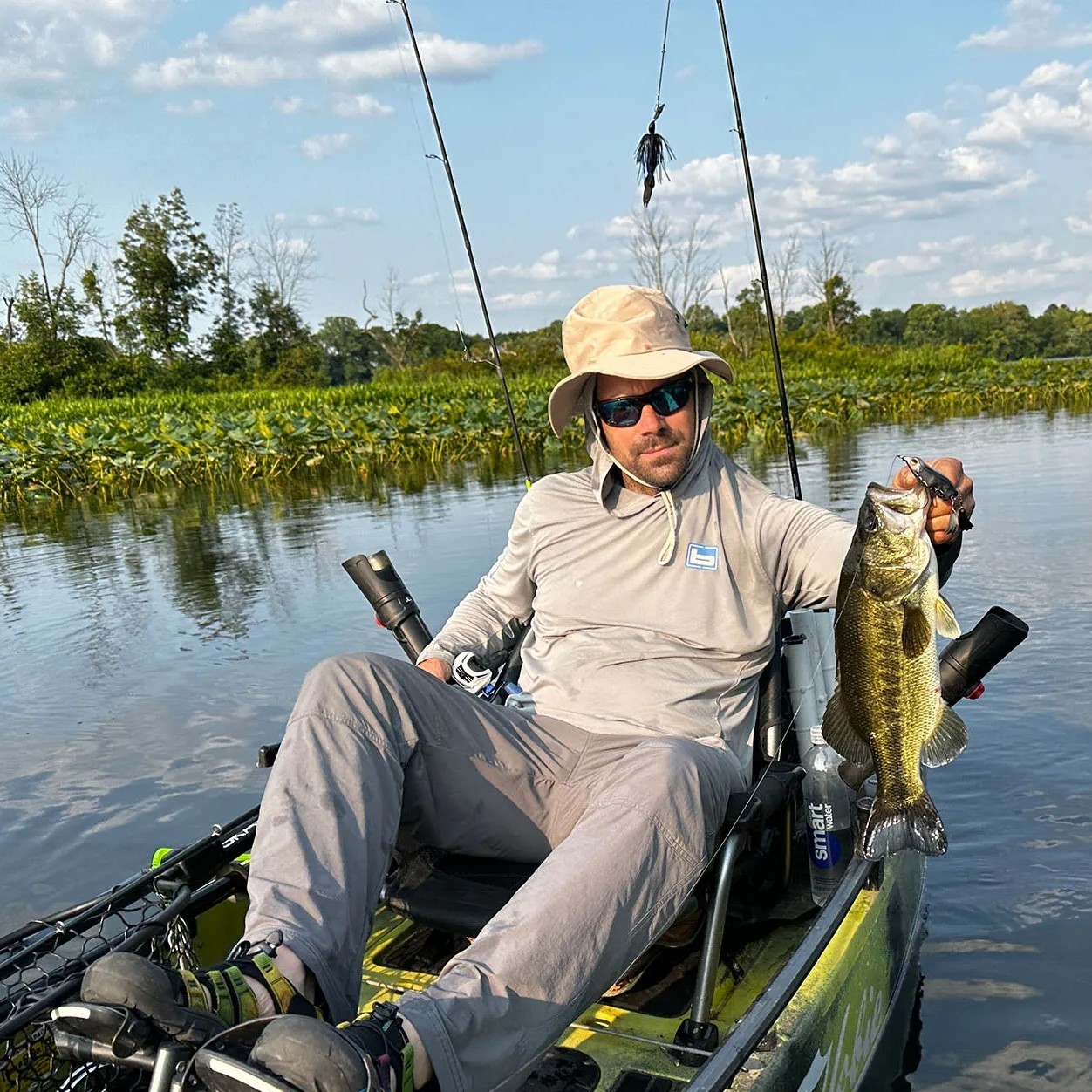
Kayak fishers face space limits. They balance function and storage. Two well-chosen rods fit better than five bulky ones.
Boat owners enjoy more flexibility. Multiple rod holders allow quick swaps. Deep-water rigs differ from shallow ones. Having dedicated setups reduces mistakes.
 Cost vs. Value: Is More Always Better?
Budget-Friendly Choices Without Sacrificing Quality
Owning more rods costs more. High-end models range from 100 300. Add reels, line, and lures. The total rises fast. That’s why smart spending matters.
Beginners should avoid overspending. A mid-range combo (4070) performs well. It teaches basics without breaking the bank. Upgrade later as skills grow.
For frequent users, investing in two solid rods beats buying five cheap ones. Quality lasts longer. Guides stay aligned. Handles resist cracking. A reliable rod pays off over years.
Also, consider versatility. Some rods work across species. A 7-foot medium-action rod fits bass, walleye, and pike. One tool covers multiple needs. This reduces the need for extras.
Used gear offers savings. Online marketplaces list gently used rods. Check for wear on guides and reel seats. With minor cleaning, they perform like new.
Reels matter too. Pair a good reel with a decent rod. The combo outperforms mismatched high-end parts. Balance is more important than specs alone.
Rentals help test styles. Before buying, try a friend’s rod. Or rent at a marina. Real-world use reveals what you truly need.
Value isn’t about quantity. It’s about matching tools to tasks. A thoughtful setup beats an overstuffed rod locker.
Organizing and Storing Your Fishing Rod Collection
Keeping Gear Accessible and Well-Maintained
Once you decide how many fishing rods should each person have, storage becomes critical. Poor handling damages rods. Tips break. Guides loosen. Reel seats crack. Prevention starts with organization.
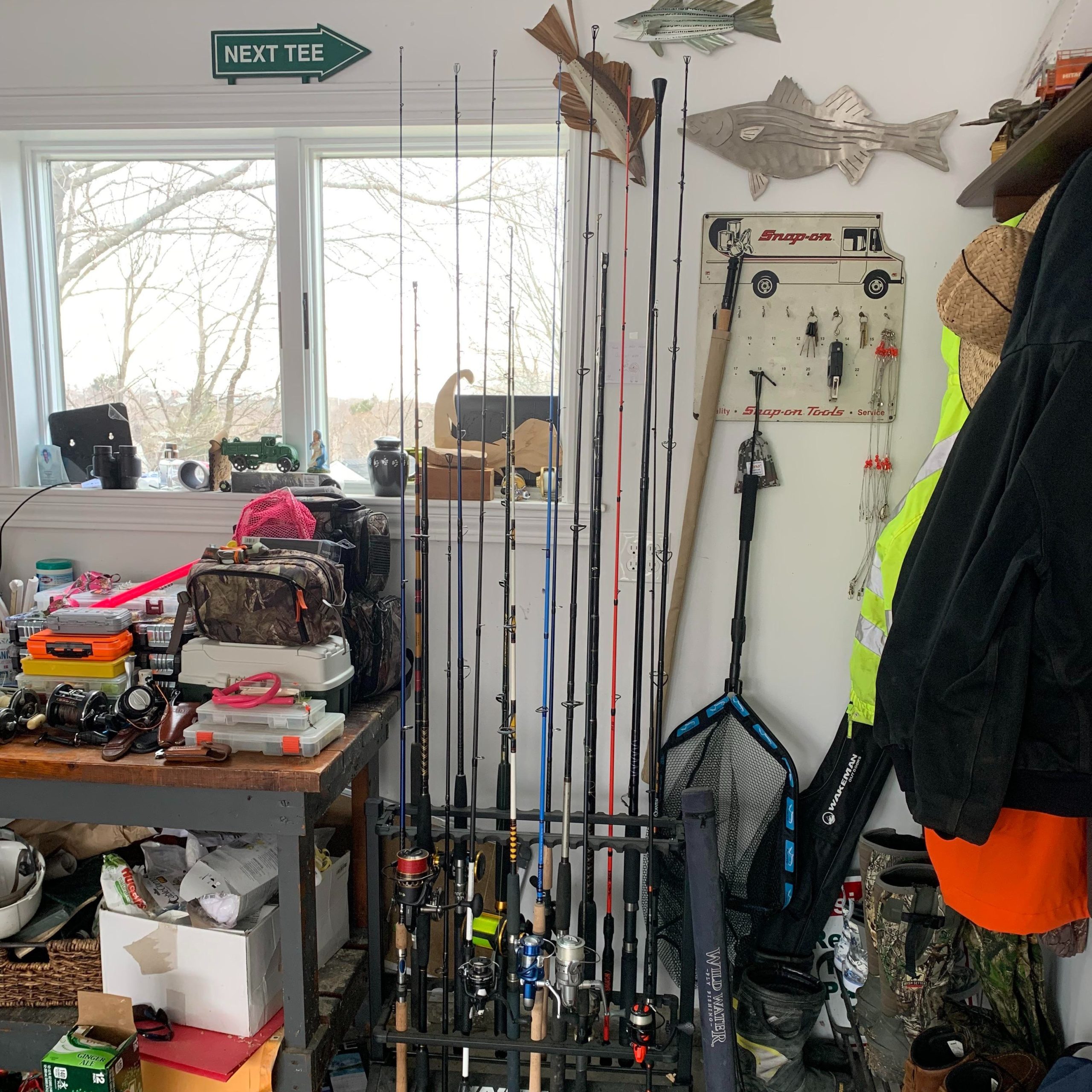
Wall-mounted racks save space. Vertical or horizontal mounts hold rods securely. Foam-lined slots protect tips. Install them in garages, sheds, or closets.
Rod lockers work for boats. Custom foam cutouts prevent shifting. Each rod has its spot. No tangling or clattering during rides.
Travel cases protect rods on long trips. Hard cases shield against impact. Soft cases are lighter but less sturdy. Choose based on transport method.
Keep rods clean. Rinse after saltwater use. Wipe down blanks with a damp cloth. Dry before storing. This prevents corrosion and mildew.
Check guides regularly. Run dental floss through each one. Snags mean dirt or damage. Clean or replace as needed.
Store reels properly. Remove spooled line if unused for months. Moisture ruins braided line. Spinning reels benefit from occasional oiling.
Label rods by purpose. Use colored tape or tags. Mark one “bass,” another “trout.” Quick ID saves time at dawn when light is low.
Rotate usage. Don’t always use the same rod. Even distribution extends life. Let gear rest between outings.
Good care keeps fewer rods performing like many.
 Specialized Rods for Specific Techniques
When Extra Gear Makes a Real Difference
Some fishing methods require unique rods. Using the wrong tool reduces success. That’s why owning a few specialized rods pays off.
Topwater fishing demands a sensitive tip. A fast-action rod detects subtle strikes. Poppers and walking baits need precise control. A dedicated rod improves accuracy.
Jigging in deep water calls for heavy power. Short, stiff rods drive hooks home. They handle strong fish near structure. A second rod avoids re-rigging.
Fly fishing often uses multiple rods. One for dry flies, another for streamers. Length and weight vary. Swapping takes time. Having both ready boosts efficiency.
Trolling requires strong, durable rods. They withstand constant pressure. Line counters help track depth. Dedicated trolling rods last longer under stress.
Ice fishing benefits from short, ultra-sensitive rods. One for jigging perch. Another for walleye. Two rods mean faster response to bites.
Crankbait fishing needs long rods. They increase casting distance. Flex helps set hooks. A wide arc pulls hard. A specific rod enhances performance.
Even lure type influences choice. Soft plastics, spinnerbaits, and spoons each pull differently. Dedicated rods reduce wear on components.
These niche uses justify additional rods. They turn good days into great ones.
Environmental and Regulatory Considerations
Legal Limits and Ethical Angling Practices
Laws affect how many rods you can use. In some states, only one rod is allowed. Others permit two or three. Always check local rules before fishing.
For example, California allows two rods in most areas. Texas permits two while fishing in public waters. Alaska varies by region. Violating these rules leads to fines.
Catch-and-release zones often limit gear. Fewer rods reduce stress on fish. Handling time drops. Survival rates rise. Ethical anglers follow these guidelines.
Some fisheries ban multiple rods during spawning seasons. This protects vulnerable populations. Respect ensures future access.
Conservation groups encourage minimalism. One well-used rod causes less environmental impact. Production, shipping, and disposal all matter.
Corrosion from saltwater harms ecosystems. Improperly cleaned rods spread invasive species. Rinse gear before moving locations.
Ethically, using too many rods can seem excessive. It may disturb other anglers. Crowded banks get tense. Sharing space politely builds community.
Regulations exist for a reason. They balance opportunity with sustainability. Knowing how many fishing rods should each person have includes legal awareness.
 Frequently Asked Questions About Fishing Rod Numbers
Is one fishing rod enough for beginners?
Yes. Start with one. Learn basics before expanding.
Can I use the same rod for bass and trout?
Often. A medium-light rod works for both. Adjust line and lures as needed.
Do I need a separate rod for saltwater?
Yes. Salt damages freshwater rods. Keep them apart.
How many rods do pros typically carry?
Many bring 3–5. They cover techniques and conditions.
Should kids have their own rod?
Yes. A child-sized rod improves control and fun.
Can I share rods with friends?
Yes. Just rinse and inspect afterward.
Does more rods mean more fish?
Not always. Skill matters more than gear count.
What’s the best way to store rods long-term?
Clean, dry, and upright. Avoid heat and humidity.
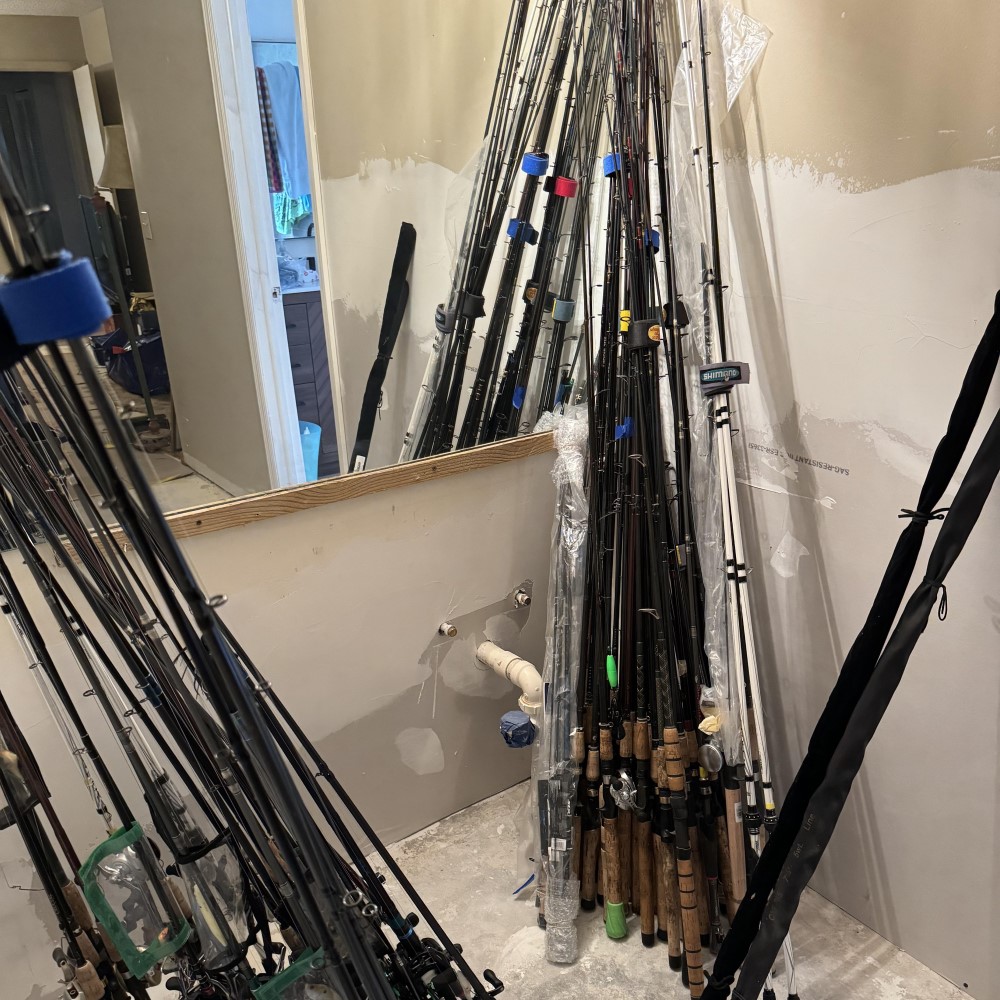 Final Thoughts on How Many Fishing Rods Should Each Person Have
Deciding how many fishing rods should each person have depends on personal needs. Beginners thrive with one. Frequent anglers gain value from two or three. Pros may carry more for specific roles.
Balance function, cost, and ethics. A well-chosen rod beats a cluttered closet. Focus on quality, care, and legality. Whether you own one or ten, the joy of fishing stays the same.